
Behind the choice of the second phase of the big fund to invest in Shennan Circuits, does it mean that the PCB industry can win the favor of more funds in 2022?
Industry competition: poor local structure and low bargaining power
As the largest producer of the global PCB industry, China's share of the total output value of the global PCB industry has increased from 8% in 2000 to 54% in 2019, with a compound growth rate of 12.80%.
However, the local PCB industry structure is very poor, the market share of the top ten is only 50.71%, and the competition is very sufficient, which leads to the weak bargaining power of industry companies in the industry chain, and the decline in profitability and risk transfer ability.
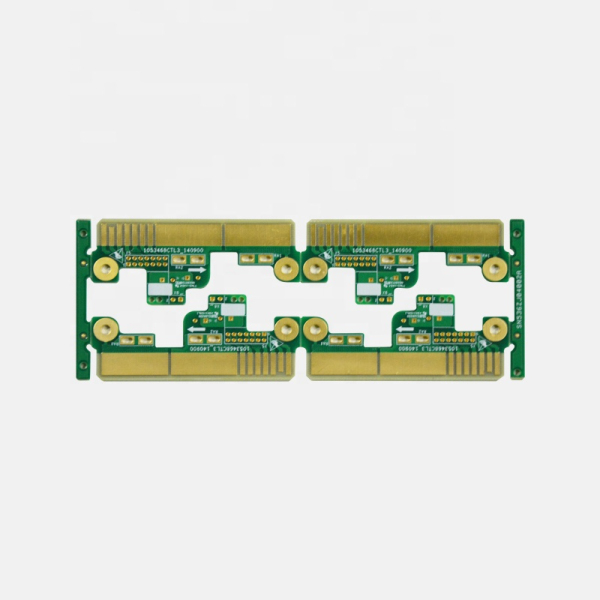
In addition to downstream companies, PCBs are also facing cost pressures brought about by rising prices of upstream materials. The main raw materials of PCB include copper clad laminate, copper foil and glass fiber cloth. Their supply and price fluctuations directly affect the production cost of PCB enterprises. Among them, PCB copper foil is the main raw material for manufacturing copper clad laminates, accounting for about 30% of the cost of copper clad laminates. (thick plate) ~ 50% (thin plate).
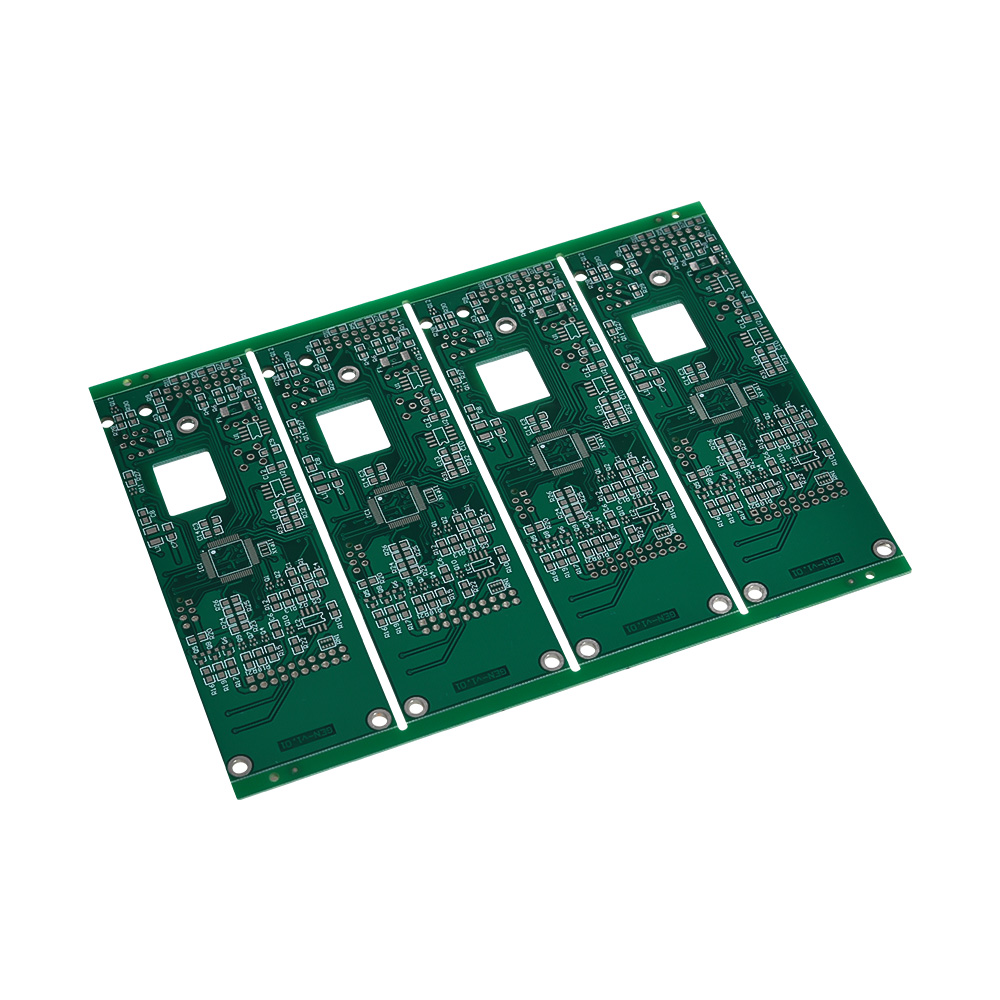
Therefore, it is not difficult to see from the above analysis that the concentration of local PCB companies is not high, and they lack the right to speak in front of downstream giant companies, while the concentration of upstream copper clad laminate material manufacturers is high and has a stronger cost transfer ability... This also forms a local The competitive landscape of PCB enterprises is poor.
A relevant person from Suntec Technology told Jiwei.com: "We judge that the price of materials will basically be in a stable downward channel in the next one or two years. In addition, the PCB manufacturing capacity is getting stronger and stronger, and some large domestic projects are expanding production. The higher the degree of automation, the lower the cost, so the price of PCB will be in a huge trend of decline in the future."
Strong market demand for automotive PCBs
Although the competition pattern of local PCB companies is poor, under the ultra-high-speed penetration of new energy vehicles into traditional fuel vehicles, automotive electronics, one of the three downstream applications of PCB, is expected to drive the expansion of the PCB market.
According to Prismark data, the compound annual growth rate of global automotive PCB output value from 2019 to 2024 is 4.5%, which is higher than the industry average growth rate of 4.3%. The new four modernization trends in the automotive industry have contributed to the incremental source of automotive electronic PCBs, mainly due to the rapid penetration of new energy vehicles and the increase in the value of single-vehicle PCBs.

According to data from Strategy Analytics, the value of automotive electronics in hybrid vehicles and pure electric vehicles currently accounts for 47% and 65% of new energy vehicles, respectively. As the proportion of automotive electronics in the total vehicle cost continues to increase, it also drives the growth of automotive PCB demand.
In addition to the increase in new energy vehicles, the increase in the value of single-vehicle PCBs is also an important factor driving the growth of the PCB market. In the past, gasoline vehicles were mainly made of ordinary multi-layer boards and double-sided boards. The consumption of a single vehicle was less than 1 square meter, and the value of PCB was relatively low, about 400-600 yuan per vehicle.
In new energy vehicles, ADAS systems, display systems, battery systems, electric drive systems and electronic control systems all need to use a large number of PCB boards to carry various electronic components. The usage area of the PCB is increased by at least 3 times, and more attention is paid to the performance of the board, so the value of the PCB for a bicycle is significantly increased.
Under the superposition of the above two factors, according to the calculations of CPCA, Tianfeng Securities and other institutions, the market space of new energy vehicle PCB boards from 2020 to 2025 will have a CAGR of 51%, with rapid growth, which also drives the overall automotive electronics PCB output value of 10% per year. % expansion.
"The number of orders received by automotive PCB factories last year was extremely strong." According to industry insiders, this is mainly because the current PCB factories are driven by strong demand from the communications and consumer electronics industries, and the production capacity of high-end processes is tight. Next, speed up the ordering of automotive boards in preparation for rapid production after the chip problem is resolved.
Can the PCB layout be changed?
In fact, automotive PCBs are becoming an important performance booster for manufacturers, which is expected to change the low-end competition pattern of domestic PCBs.
At the shareholders' meeting held recently, a relevant person from Chongda Technology told Jiwei.com, "The projects that have been mass-produced in the Zhuhai Phase I factory include automotive electronics-related products. Thanks to the existing customers' nearly 2-3 years of experience, The market share is growing rapidly. The sales revenue of the company's related products this year is expected to increase by nearly 150% compared with the same period last year, and the scale is expected to further expand in 2023. In 2023, the entire PCB board market will be dominated by automotive products."
It is understood that the first phase of Chongda Technology will be put into trial production in the second quarter of 2021. It mainly produces 4-8 layers of large-scale PCB products used in the fields of automotive, central control, security, and optoelectronics. The annual design capacity is 2.7 million square meters, and the current capacity is climbing. The slope is relatively smooth, and other remaining production lines will be put into production step by step in 2022-2023 according to the market environment.
Chongda Technology pointed out that the company's automotive PCB products are supplied to BMW, Mercedes-Benz, Volkswagen, Toyota and other automotive terminals; there are also PCB products that supply assisted driving systems, which are mainly used in vision systems, such as camera modules used in assisted driving, etc. .
In the field of automotive electronics, with the development of the automotive industry, the application market of high-end PCB products will continue to expand, including but not limited to display modules, power control systems, sensors and other related components.
FPC (flexible circuit board) has the advantages of high integration, automated assembly, large-scale cost reduction, high efficiency, safety and reliability, and light weight. It is suitable for power battery wiring harnesses, and may replace traditional copper wiring harnesses in the future. Calculated by using 6-16 battery modules of a new energy vehicle, each module uses 1-2 FPCs, and the FPC usage of a single vehicle will also be greatly increased